Uncovering Candida: Symptoms of Overgrowth and Natural Remedies for Lasting Relief


- Symptoms of Candida Overgrowth
- Common Causes of Candida Overgrowth
- How to Diagnose Candida Overgrowth
- Effective Strategies to Get Rid of Candida Overgrowth
- Candida Die-Off Symptoms
- Preventing Future Candida Overgrowth
- Conclusion
Candida overgrowth is an increasingly common concern. While Candida, a type of yeast, naturally lives in our bodies and plays a role in digestion and nutrient absorption, problems arise when it grows out of control. This condition, often referred to as Candida overgrowth, can lead to a wide range of uncomfortable and persistent symptoms that can significantly impact your quality of life.
If you’ve been experiencing unexplained fatigue, digestive issues, or recurrent infections, it’s possible that Candida overgrowth could be the culprit. In this blog post, we’ll explore what Candida overgrowth is, the symptoms to look out for, and, most importantly, how you can effectively address and prevent it.
What is Candida Overgrowth?
Candida is a type of fungus, a form of yeast, that is naturally present in small amounts in the mouth, intestines, and skin. Under normal circumstances, your body’s healthy bacteria keep Candida levels in check, maintaining a balanced microflora. However, when this balance is disrupted, Candida can multiply uncontrollably, leading to an overgrowth that can affect various parts of the body.
There are several types of Candida infections, depending on where the overgrowth occurs:
- Vaginal Candidiasis: Often referred to as a yeast infection, this is a common condition that affects around 75% of women at least once in their lives. It can cause itching, burning, and unusual discharge.
- Oral Candidiasis (Thrush): This occurs in the mouth, leading to white patches, soreness, and difficulty swallowing.
- Cutaneous Candidiasis: This affects the skin, often appearing in warm, moist areas like under the breasts, in the groin, or between folds of skin.
- Systemic Candidiasis: A more severe form of the infection that can spread throughout the body, affecting the bloodstream and organs. This is more common in individuals with weakened immune systems.
While these infections can be localized, Candida overgrowth can also manifest as a systemic issue, impacting overall health and leading to a variety of symptoms across different body systems.
Symptoms of Candida Overgrowth
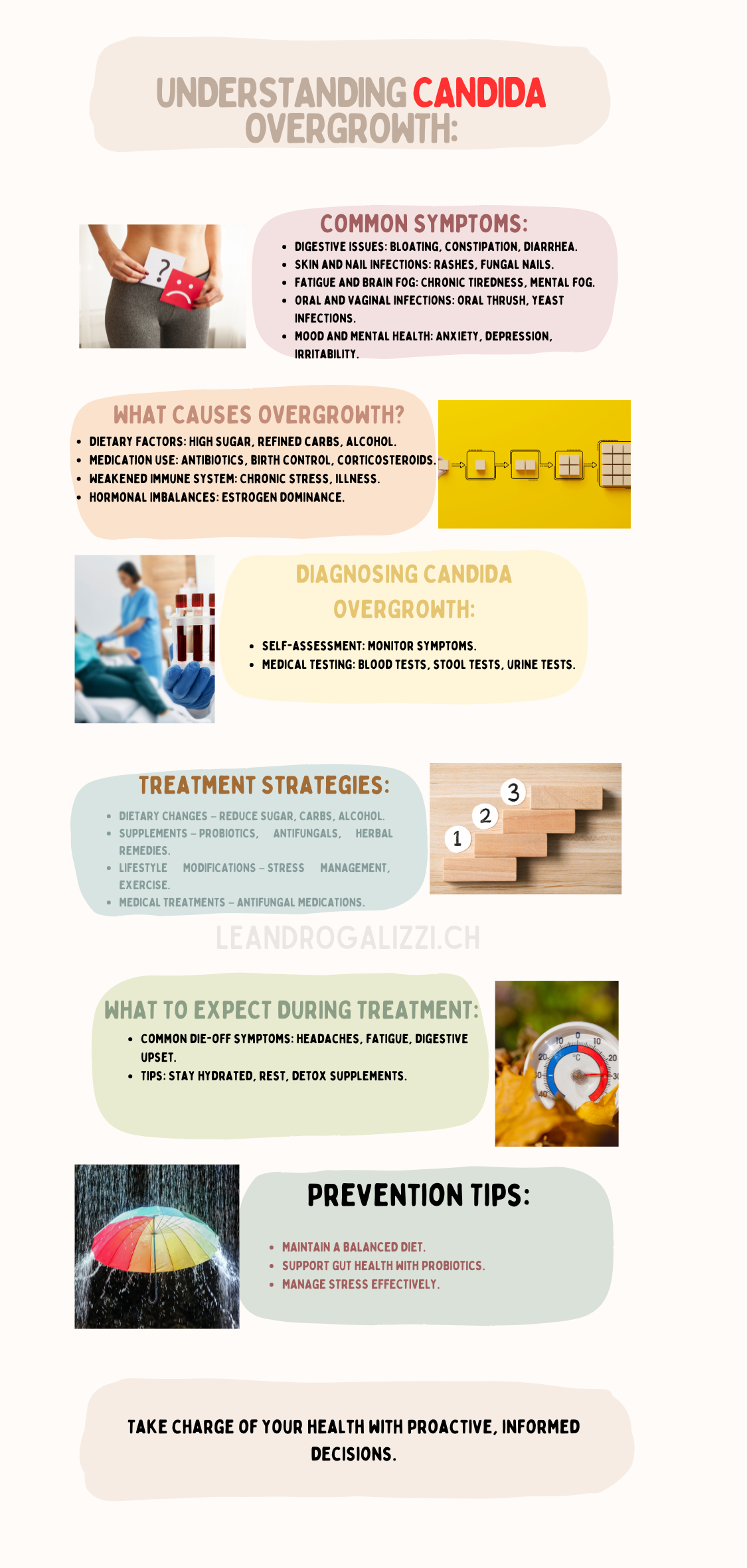
The symptoms of Candida overgrowth can be varied and widespread, often making it difficult to pinpoint as the root cause. Some of the most common symptoms include:
Digestive Issues
Digestive discomfort is one of the hallmark signs of Candida overgrowth. This can manifest as bloating, constipation, diarrhea, or a combination of these symptoms. The overgrowth of yeast can interfere with the normal digestion process, leading to discomfort and irregular bowel movements.
Skin and Nail Infections
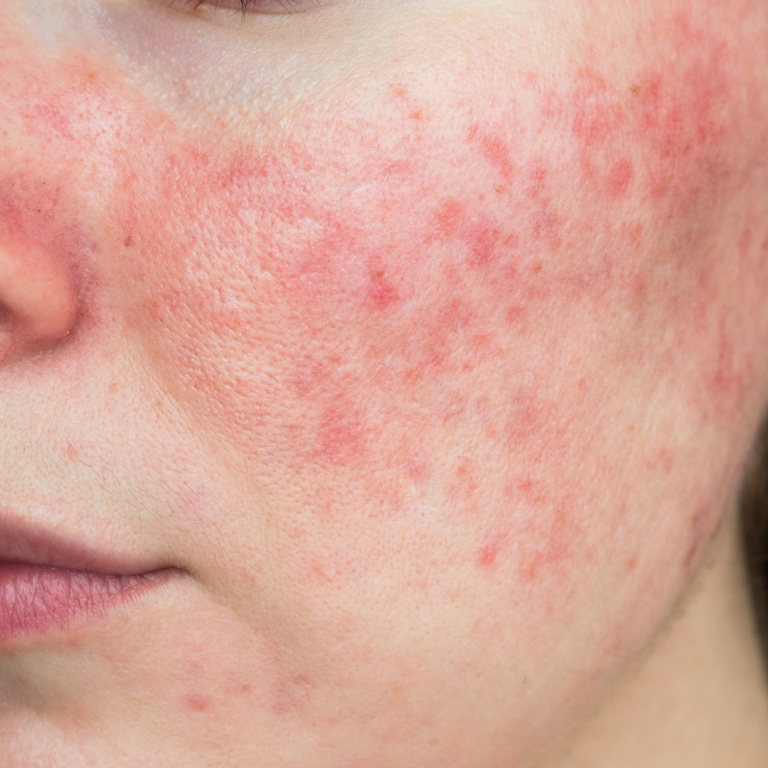
Candida can affect the skin and nails, leading to conditions such as athlete’s foot, ringworm, and fungal nail infections. These infections often appear as itchy, red, and sometimes scaly patches on the skin, particularly in warm and moist areas.
Fatigue and Brain Fog
Chronic fatigue and brain fog are other common indicators of Candida overgrowth. The body’s energy levels can be depleted as it fights off the overgrowth, leading to persistent tiredness. Additionally, the toxins produced by Candida can interfere with brain function, causing difficulties in concentration, memory, and overall mental clarity.
Oral and Vaginal Infections
Oral thrush and vaginal yeast infections are specific manifestations of Candida overgrowth in the mouth and genital areas, respectively. Oral thrush is characterized by white patches in the mouth, which can be painful and may cause difficulty eating or swallowing. Vaginal yeast infections, on the other hand, are marked by itching, burning, and a thick, white discharge.
Mood and Mental Health Symptoms
Candida overgrowth can also affect your mental and emotional well-being. Mood swings, anxiety, depression, and irritability are commonly reported by those suffering from this condition. These symptoms are believed to be linked to the release of toxins by Candida, which can affect neurotransmitter function and overall brain health.
Other Symptoms
In addition to the above, Candida overgrowth can cause a range of other symptoms, including strong sugar cravings, bad breath, joint pain, and recurring infections such as urinary tract infections (UTIs). The body’s craving for sugar is particularly notable, as Candida feeds on sugar, exacerbating the cycle of overgrowth.
Common Causes of Candida Overgrowth
Understanding the underlying causes of Candida overgrowth is crucial for effectively addressing and preventing it. Several factors can contribute to an imbalance that allows Candida to thrive:
Dietary Factors
A diet high in sugar, refined carbohydrates, and alcohol is one of the primary contributors to Candida overgrowth. These foods feed the yeast, allowing it to multiply rapidly. Additionally, the consumption of fermented foods, while generally healthy, can sometimes exacerbate Candida overgrowth in sensitive individuals.
Medication Use
Certain medications, particularly antibiotics, birth control pills, and corticosteroids, can disrupt the natural balance of bacteria in your body, paving the way for Candida to overgrow. Antibiotics, for example, kill both harmful and beneficial bacteria, which can lead to an imbalance that favors yeast proliferation. Similarly, the use of hormonal contraceptives and corticosteroids has been linked to an increased risk of Candida infections.
Weakened Immune System
A weakened immune system, whether due to chronic stress, illness, or immune-suppressing medications, can make you more susceptible to Candida overgrowth. When the immune system is compromised, it struggles to keep Candida levels in check, leading to an overgrowth that can spread throughout the body.
Hormonal Imbalances
Hormonal changes, particularly in women, can also trigger Candida overgrowth. Estrogen dominance, a condition where estrogen levels are disproportionately high relative to progesterone, is a known factor that can increase the risk of developing Candida infections. This is why women taking birth control pills or undergoing hormone replacement therapy are often more susceptible to yeast infections.
How to Diagnose Candida Overgrowth
Diagnosing Candida overgrowth can be tricky because its symptoms often overlap with those of other conditions. However, several methods can help confirm the presence of an overgrowth:
Self-Assessment
One of the first steps in diagnosing Candida overgrowth is paying close attention to your symptoms. If you experience a combination of the symptoms mentioned earlier, particularly after taking antibiotics or consuming a diet high in sugar and refined carbs, Candida overgrowth might be a possibility.
Medical Testing
For a more definitive diagnosis, medical testing is recommended. Here are some of the common tests used to identify Candida overgrowth:
- Blood Tests: Blood tests can check for IgG, IgA, and IgM Candida antibodies. High levels of these antibodies indicate an overgrowth somewhere in the body.
- Stool Tests: A comprehensive stool test can detect Candida in the colon or lower intestines. This test is often used to determine the specific species of Candida and its sensitivity to treatment.
- Urine Organix Dysbiosis Test: This test detects D-arabinitol, a waste product of Candida. Elevated levels of D-arabinitol in the urine suggest an overgrowth in the upper gut or small intestines.
It’s essential to work with a healthcare provider who is knowledgeable about Candida overgrowth to ensure you receive the most accurate diagnosis and appropriate treatment.
Effective Strategies to Get Rid of Candida Overgrowth
Once you’ve identified Candida overgrowth, the next step is to implement a comprehensive plan to eliminate it and restore balance to your body. Here are some of the most effective strategies:
Dietary Changes
The foundation of any Candida treatment plan is dietary modification. Candida thrives on sugar, so the first step is to eliminate all forms of sugar, refined carbohydrates, and alcohol from your diet. You should also limit your intake of starchy vegetables, grains, and legumes, as these can be converted into sugar in the body.
Focus on a diet rich in vegetables, lean proteins, and healthy fats. Foods like coconut oil, garlic, and cruciferous vegetables (e.g., broccoli, kale) have natural antifungal properties that can help combat Candida. Additionally, incorporating bone broth and fermented foods like kimchi and sauerkraut (unless they exacerbate your symptoms) can support gut health and help restore balance.
Supplements and Natural Remedies
In addition to dietary changes, certain supplements and natural remedies can help accelerate the elimination of Candida:
- Probiotics: Taking a high-quality probiotic can help replenish the beneficial bacteria in your gut, which are crucial for keeping Candida in check. Look for probiotics with a high number of colony-forming units (CFUs) and a variety of strains.
- Antifungal Supplements: Supplements like Caprylic Acid, Candifense®, and oil of oregano can help break down the cell walls of yeast cells, making them more susceptible to elimination.
- Herbal Remedies: Natural antifungals like garlic, clove, and berberine can be effective in reducing Candida levels. These can be taken in supplement form or incorporated into your diet.
Lifestyle Modifications
Stress management is another crucial aspect of treating Candida overgrowth. Chronic stress can weaken the immune system, making it harder for your body to fight off infections. Incorporating stress-reducing activities like yoga, meditation, and regular exercise can help support your overall health and recovery.
Medical Treatments
In some cases, over-the-counter or prescription antifungal medications may be necessary, especially if the overgrowth is severe or persistent. Common medications include fluconazole (Diflucan) and topical treatments like clotrimazole for skin and vaginal infections. It’s important to complete the full course of any prescribed medication to prevent recurrence.
Candida Die-Off Symptoms
As your body begins to eliminate Candida, you may experience what is known as a Herxheimer reaction, or “die-off” symptoms. This occurs when the Candida cells release toxins faster than the body can eliminate them, leading to temporary symptoms such as:
- Headaches
- Fatigue
- Digestive upset
- Joint and muscle pain
- Flu-like symptoms
While these symptoms can be uncomfortable, they are usually temporary and a sign that your treatment is working. To manage die-off symptoms, stay hydrated, rest, and consider taking detoxifying supplements like activated charcoal or bentonite clay.
Preventing Future Candida Overgrowth
Once you’ve successfully treated Candida overgrowth, it’s essential to take steps to prevent it from recurring. Here are some tips to maintain a healthy balance in your body:
Maintain a Balanced Diet
Continue to avoid excessive sugar, refined carbs, and alcohol in your diet. Focus on whole, unprocessed foods that support gut health, including plenty of vegetables, healthy fats, and lean proteins.
Support Gut Health
Regularly incorporate probiotics into your diet, whether through supplements or fermented foods, to maintain a healthy gut microbiome. Prebiotic-rich foods like onions, garlic, and asparagus can also help nourish beneficial bacteria.
Manage Stress
Chronic stress can weaken your immune system and create an environment where Candida can thrive. Incorporate stress-reducing practices into your daily routine, such as deep breathing exercises, yoga, or spending time in nature.
Regular Health Check-Ups
Stay vigilant about your health by scheduling regular check-ups with your healthcare provider. If you start noticing symptoms of Candida overgrowth again, address them promptly to prevent a full-blown recurrence.
Conclusion
Candida overgrowth can be a challenging condition to manage, but with the right knowledge and strategies, it’s possible to restore balance and improve your overall health. By understanding the symptoms, identifying the root causes, and implementing effective treatments, you can take control of your well-being and prevent future overgrowth.
Remember, your health is a journey, and it’s important to listen to your body and make adjustments as needed. If you suspect you have Candida overgrowth, consider consulting with a healthcare provider to get personalized advice and treatment options.
Have you experienced symptoms of Candida overgrowth? Reach out if you have any questions. Your journey to better health could inspire others to take action and regain their vitality!
References:
- Centers for Disease Control and Prevention. Candidiasis. Accessed 6/6/2022.
- Edwards, Jr. JE. Candidiasis. Harrison’s Principles of Internal Medicine, 20e. New York: McGraw Hill; 2018. Accessed 6/6/2022.
- Merck Manual. Candidiasis. Accessed 6/6/2022.
- National Organization for Rare Disorders. Candidiasis. Accessed 6/6/2022.
- StatPearls. Candidiasis. Accessed 6/6/2022.
- U.S. Department of Health and Human Services. Vaginal Yeast Infections. Accessed 6/6/2022.
- Noble, S. M. Candida albicans cell type switches and functional plasticity in the mammalian host. PubMed Central. 2016.
- Agarwal, S. Assessment and clinical interpretation of reduced IgG values. NCBI. 2007.
- Tefferi, A. How to Interpret and Pursue an Abnormal Complete Blood Cell Count in Adults. Mayo Clinic Proceedings. 2005.
- Christensson, B., Sigmundsdottir, G., & Larsson, L. D-arabinitol–a marker for invasive candidiasis. PubMed. 1999.